The journey after experiencing a crime can feel isolating, disorienting, and overwhelming. Yet, in the face of profound adversity, a robust framework of Victim Rights & Advocacy stands ready to offer support, justice, and healing. This isn't just about legal definitions; it's about restoring agency, amplifying voices, and ensuring that survivors are not merely passive recipients of circumstances but active participants in their recovery and in shaping a more just society.
This guide delves into the crucial world of victim advocacy, exploring its foundations, its forms, and how it empowers individuals to navigate complex systems, find their footing, and move forward.
At a Glance: What You'll Learn
- Understanding the "Why": Why victimology and advocacy are vital for justice and healing.
- Core Principles: The foundational values guiding all victim support efforts.
- Advocacy in Practice: The different ways support is provided, from immediate crisis intervention to shaping laws.
- Navigating the System: Your rights and what to expect when interacting with law enforcement and the legal process.
- Overcoming Hurdles: Common challenges survivors face and how advocacy helps.
- Becoming an Ally: How you can contribute to this essential movement.
- Global Standards: The UN's commitment to victim rights.
Understanding the Journey: What Victim Rights & Advocacy Means
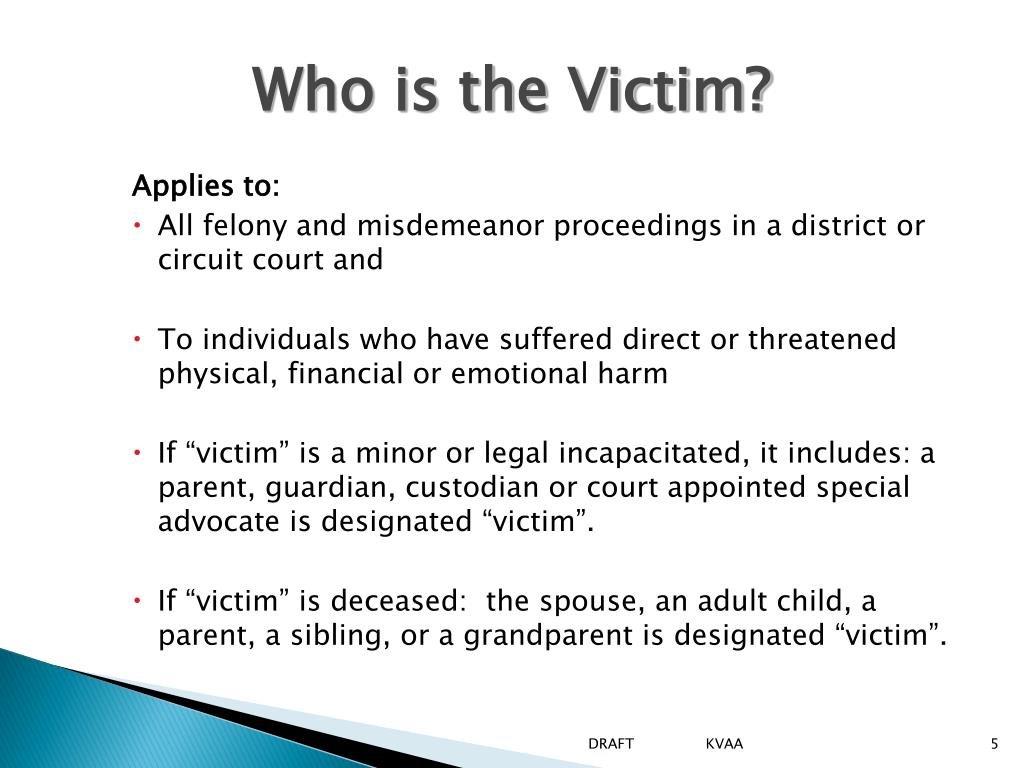
Imagine being thrust into a situation you never anticipated, where your sense of safety is shattered, and your trust is broken. For many, this is the reality of being a victim of crime. Victim Rights & Advocacy is the collective effort to ensure that individuals affected by crime receive the support, respect, and legal protections they deserve. It's about shifting the focus from solely prosecuting offenders to also caring for those who have been harmed. This includes ensuring access to information, protection from further harm, and a voice in the justice process.
At its core, advocacy means standing up for someone, championing their cause, and helping them navigate systems that often feel impersonal and intimidating. For survivors, it means having a dedicated ally who understands their needs and works tirelessly to meet them.
The Science Behind Support: What is Victimology?
To truly support survivors, we must first understand their experience. This is where victimology comes in – the scientific study of victims. It delves into the nature and causes of victimization, exploring its psychological, social, and economic impacts. Victimology provides the critical insights that inform effective advocacy, policy shaping, and public education.
By studying victims' experiences, we learn about the patterns of crime, the varying needs of different victim populations, and the systemic issues that exacerbate suffering. This research is vital not just for theoretical understanding but for practical application: it helps refine crisis intervention techniques, develop more effective legal protections, and foster a public perception that champions survivors rather than blames them. Victims are often catalysts for change, their narratives driving public awareness and influencing legislative measures.
Building Blocks of Support: Foundational Principles
Effective victim advocacy isn't random; it's built upon a set of core principles designed to provide comprehensive, compassionate, and empowering support.
Empowerment: Amplifying Every Voice
At the heart of victim advocacy is the principle of empowerment. This means giving survivors agency over their own healing and justice process. It's about respecting their choices, providing them with information, and ensuring they have a voice in decisions that affect their lives. Empowerment allows survivors to regain control that was often stripped away by the crime itself. This could mean choosing whether to report a crime, deciding on legal options, or selecting their path to recovery.
Accessibility: Support for All, No Exceptions
Advocacy services must be accessible to everyone, regardless of their background, socio-economic status, cultural identity, or physical ability. This requires breaking down barriers such as language, transportation, financial constraints, and cultural insensitivity. Ensuring resources are available and understandable to all segments of the community is paramount for true equity in victim support. It means meeting people where they are, literally and figuratively.
Collaboration: A Network of Care
No single organization or individual can meet all of a survivor's needs. Successful advocacy hinges on robust collaboration among community organizations, legal professionals, law enforcement, healthcare providers, and social services. This interdisciplinary approach creates a seamless network of care, ensuring survivors receive holistic support, from crisis intervention to long-term recovery. Think of it as a coordinated safety net, each strand representing a different type of support, all working together for the survivor's benefit.
Trauma-Informed Approach: Healing at the Core
Recognizing the profound and lasting impact of trauma is fundamental. A trauma-informed approach means that all interactions, policies, and practices are designed with an understanding of how trauma affects individuals. It prioritizes safety, trustworthiness, peer support, collaboration, empowerment, and cultural sensitivity. This approach avoids re-traumatizing survivors and instead fosters an environment of empathy, respect, and healing. It moves beyond simply asking "What's wrong with you?" to "What happened to you?"
Advocacy in Action: Different Paths to Justice and Healing
Victim advocacy isn't a monolithic entity; it manifests in various forms, each serving distinct yet interconnected goals.
Direct Service: Immediate Help, Lasting Impact
This is often the most visible form of advocacy. Direct service advocates provide immediate, hands-on assistance to survivors. This can include:
- Crisis Intervention: Offering emotional support, safety planning, and immediate practical help in the wake of a crime.
- Counseling Referrals: Connecting survivors with mental health professionals specializing in trauma recovery.
- Legal Aid: Helping navigate police reports, court proceedings, and understanding legal rights.
- Resource Navigation: Assisting with housing, medical care, financial aid, and other essential needs.
- Court Accompaniment: Providing support and explanation throughout the often-daunting legal process.
These advocates are often the first point of contact, offering a compassionate ear and practical guidance when survivors need it most. For those who find themselves in vulnerable positions, seeking protection or redress, understanding available support is key to moving forward. Learn more about suppliants and the protections afforded to those seeking assistance.
Public Policy: Shaping a Safer Future
While direct service helps individual survivors, public policy advocacy works to change the system itself. These advocates influence legislation, government practices, and resource allocation to enhance victim rights and protections. This might involve:
- Lobbying efforts: Advocating for new laws or amendments that strengthen victim protections (e.g., increased funding for victim services, tougher penalties for certain crimes, or expanded privacy rights).
- Influencing systemic change: Working with law enforcement agencies or courts to adopt more victim-centered policies.
- Raising public awareness: Campaigns to educate the public and policymakers about critical victim issues.
The impact of public policy advocacy is widespread, creating a more just and supportive environment for all survivors.
Community-Based: Grassroots Change
Community-based advocacy focuses on grassroots efforts to educate and engage local populations on victim issues. This often involves:
- Local awareness campaigns: Organizing events, workshops, and educational programs to prevent crime and inform people about available resources.
- Building local support networks: Fostering connections among community members to create a supportive environment for survivors.
- Tailoring services to local needs: Developing programs that are culturally relevant and address the specific challenges faced by a particular community.
This type of advocacy strengthens communities from within, building resilience and collective responsibility for supporting survivors.
Navigating the Legal Landscape: Your Rights in the System
The legal system can be a complex and intimidating arena for survivors. However, it's also a crucial platform for seeking justice and asserting rights. Understanding how to interact with it, and what to expect, can significantly reduce distress.
Reporting: Pathways to Safety
The first step for many survivors is reporting the crime. It's essential that reporting mechanisms are accessible, sensitive, and offer various options. These include:
- Hotlines: Anonymous and immediate support lines (e.g., domestic violence hotlines, sexual assault hotlines).
- Online Platforms: Digital channels for reporting, especially useful for non-emergency situations or those who prefer anonymity.
- Law Enforcement: Direct contact with police, sheriff's departments, or federal agencies.
- Community Services: Advocacy centers often assist in reporting and can provide support throughout the process.
The choice of how and when to report is always yours. Advocates can help you understand your options and support you through the process, ensuring your voice is heard respectfully.
Law Enforcement's Role: First Responders, First Advocates
Law enforcement officers are often the first point of contact for survivors. Their initial response can significantly impact a survivor's willingness to engage with the justice system and their healing journey. For this reason, training and policies that prioritize a victim-centered approach are critical. This means officers are trained to:
- Respond with empathy: Approach survivors with sensitivity and understanding.
- Ensure safety: Prioritize the immediate safety of the survivor and prevent further harm.
- Provide information: Clearly explain the reporting process, available rights, and support services.
- Facilitate cooperation: Build trust to encourage survivors to provide necessary information for investigation.
When law enforcement acts as a knowledgeable and compassionate ally, it lays a positive foundation for the entire legal process.
Overcoming Obstacles: The Challenges Survivors Face
Even with robust advocacy, survivors face a multitude of challenges that can impede their recovery and ability to seek justice. Advocacy programs are specifically designed to help navigate these hurdles.
The Weight of Trauma
The emotional and psychological toll of victimization is profound. Survivors often grapple with:
- Anxiety and Depression: Persistent feelings of unease, sadness, or hopelessness.
- Post-Traumatic Stress Disorder (PTSD): Flashbacks, nightmares, hypervigilance, and avoidance behaviors.
- Grief and Loss: Mourning the loss of safety, trust, independence, or even loved ones.
Advocacy connects survivors with mental health professionals and support groups that provide specialized trauma-informed care, offering tools and strategies for healing.
Legal Labyrinths
The legal system, with its complex procedures, jargon, and lengthy timelines, can be a source of immense stress. Survivors often struggle with:
- Understanding their rights: What they are entitled to, how to exercise those rights.
- Court proceedings: The unfamiliarity of trials, hearings, and cross-examinations.
- Re-victimization: The fear of being questioned or disbelieved in court.
Advocates provide crucial legal guidance, explain processes, prepare survivors for court, and ensure their rights are upheld every step of the way.
Battling Stigma
Societal stigma is a pervasive challenge. Survivors often fear judgment, disbelief, or even blame from others, leading to:
- Silence: Reluctance to report or speak about their experiences.
- Isolation: Withdrawal from social circles.
- Self-blame: Internalizing societal misconceptions about victimization.
Advocacy works to combat stigma through public education, creating safe spaces for survivors, and fostering a culture of empathy and support.
Bridging the Resource Gap
Access to necessary resources can be limited, especially for those in rural areas, low-income communities, or marginalized groups. This can include challenges with:
- Transportation: Getting to appointments or court.
- Childcare: Arranging care while engaging with services.
- Financial stability: Covering medical bills, lost wages, or relocation costs.
- Housing: Finding safe and stable housing.
Advocates act as resource navigators, connecting survivors with financial assistance programs, housing aid, transportation solutions, and other critical support services.
Champions of Change: Successful Advocacy in Practice
Numerous programs exemplify effective victim advocacy, demonstrating comprehensive, collaborative, and survivor-centered support. These organizations offer invaluable services that underscore the power of dedicated advocacy:
- The Victim Assistance Program: Offers holistic support, including crisis intervention, court advocacy, and referrals to community resources.
- National Domestic Violence Hotline: Provides immediate crisis support, safety planning, and connections to local services 24/7.
- National Crime Victim Law Institute (NCVLI): Focuses on victim rights enforcement through legal expertise, education, and advocacy.
- RAINN (Rape, Abuse & Incest National Network): The largest anti-sexual violence organization, operating a national hotline and working to prevent sexual violence, help survivors, and ensure perpetrators are brought to justice.
- SNAP (Survivors Network of those Abused by Priests): A survivor-led organization that offers peer support and advocacy for victims of institutional sexual abuse.
These programs, among many others, highlight the diverse needs of survivors and the specialized support available to them. They often leverage collaborative networks to ensure robust and comprehensive assistance.
The Media's Lens: Shaping Perception, Fostering Empathy
Media representation plays a significant role in shaping public perception of crime victims and advocacy efforts. When done ethically and responsibly, media can:
- Increase awareness: Bring critical issues like domestic violence, sexual assault, or human trafficking to the forefront.
- Humanize survivors: Share diverse narratives that challenge stereotypes and foster empathy.
- Highlight advocacy successes: Showcase how support systems make a difference, encouraging others to seek help or become allies.
Conversely, sensationalism, victim-blaming, or inaccurate portrayals can re-traumatize survivors and perpetuate harmful myths. Ethical storytelling that focuses on the survivor's journey, privacy, and resilience, rather than graphic details or speculative narratives, is crucial for fostering a supportive public environment.
The Future of Advocacy: Innovation and Integration
The landscape of victim advocacy is continuously evolving, adapting to new challenges and leveraging emerging opportunities to better serve survivors. Key trends include:
- Technological Advancements:
- Digital Platforms: Online reporting tools, virtual support groups, and telemedicine for counseling make services more accessible.
- Mobile Reporting Apps: Providing discreet and immediate ways for survivors to seek help and document incidents.
- AI-driven resources: Chatbots offering immediate, anonymous information and support.
- Deeper Integration of Trauma-Informed Practices: Moving beyond mere acknowledgment to embedding trauma-informed care into every facet of the justice system, from police training to courtroom procedures.
- Increased Stakeholder Collaboration: Expanding partnerships beyond traditional legal and social services to include healthcare, education, and technology sectors, creating truly holistic support systems.
- Continued Victimology Research: Ongoing studies to understand emerging forms of victimization (e.g., cybercrime, financial exploitation) and to evaluate the effectiveness of advocacy interventions, ensuring practices are evidence-based.
- Global Harmonization: Efforts like the UN Victims' Rights Statement push for universal standards of care and protection.
These advancements aim to make advocacy more efficient, accessible, and ultimately, more effective in supporting survivors in an ever-changing world.
Your Role in the Movement: Becoming an Ally
Victim advocacy isn't just for professionals; everyone can contribute to creating a more supportive and just society for survivors. Your involvement, no matter how big or small, can make a significant difference:
- Volunteer: Offer your time to local victim support organizations, hotlines, or community centers. Roles can range from administrative tasks to direct support, depending on training and qualifications.
- Participate in Educational Initiatives: Attend workshops, seminars, or online courses to deepen your understanding of victim issues, trauma, and effective support strategies. Knowledge is power, and informed allies are invaluable.
- Engage in Legislative Advocacy: Contact your elected officials to express support for victim rights legislation, funding for services, and policies that promote prevention and recovery. Your voice matters in shaping public policy.
- Use Social Media Responsibly: Amplify survivors' narratives and advocacy efforts by sharing accurate information from credible sources. Challenge misinformation and avoid contributing to victim-blaming or sensationalism. Use your platform to foster empathy and awareness.
- Practice Active Listening: If someone confides in you, listen without judgment, believe their story, and offer to help them connect with professional resources. You don't need to have all the answers; simply being a supportive presence can be profoundly impactful.
- Support Local Organizations: Donate to organizations that provide direct services to survivors. Financial contributions help ensure these vital services can continue.
By taking these steps, you become part of a larger movement dedicated to upholding the dignity and rights of every survivor.
Global Standards for Protection: The UN Victims' Rights Statement
The commitment to victim rights extends beyond national borders. In 2023, the UN Victims' Rights Statement was endorsed, signifying the Secretary-General’s priority of upholding the rights and dignity of victims of sexual exploitation and abuse. This crucial document compiles established victims' rights from international human rights treaties and UN policies, serving multiple vital purposes:
- Informing Victims: It provides clear, consolidated information to survivors about their rights, empowering them to understand and assert what they are entitled to.
- Guiding UN Personnel: It acts as a directive for all UN staff, ensuring a consistent and victim-centered approach in their interactions and operations worldwide.
- Promoting Accessibility: A child-friendly version is also available, ensuring that even the youngest survivors can understand their rights in an accessible format.
This statement represents a significant step towards standardizing and universally recognizing the fundamental rights of victims, particularly in vulnerable contexts.
Moving Forward: Your Path to Support and Empowerment
Victimization shakes the very foundations of an individual's life, but it does not have to define it. The robust framework of Victim Rights & Advocacy exists precisely to provide the necessary scaffolding for rebuilding, healing, and reclaiming power.
Whether you are a survivor seeking support, a concerned family member, or an individual committed to making a difference, understanding these principles and pathways is the first step. Know that you are not alone, resources are available, and a network of dedicated advocates stands ready to help navigate the complexities, fight for justice, and champion the journey toward recovery and empowerment. Your voice is important, your rights are protected, and your healing is paramount.