Navigating the labyrinthine world of Asylum & Refugee Claims can feel like an overwhelming journey, fraught with uncertainty and often prolonged by unforeseen obstacles. For individuals seeking safety from persecution, war, or violence, the path to protection is rarely straightforward, and recent years have seen an alarming increase in global processing delays and backlogs. This guide aims to demystify the process, offering clarity and practical insights for those who need it most, or for anyone seeking to understand this critical humanitarian issue.
At a Glance: Understanding Asylum & Refugee Claims
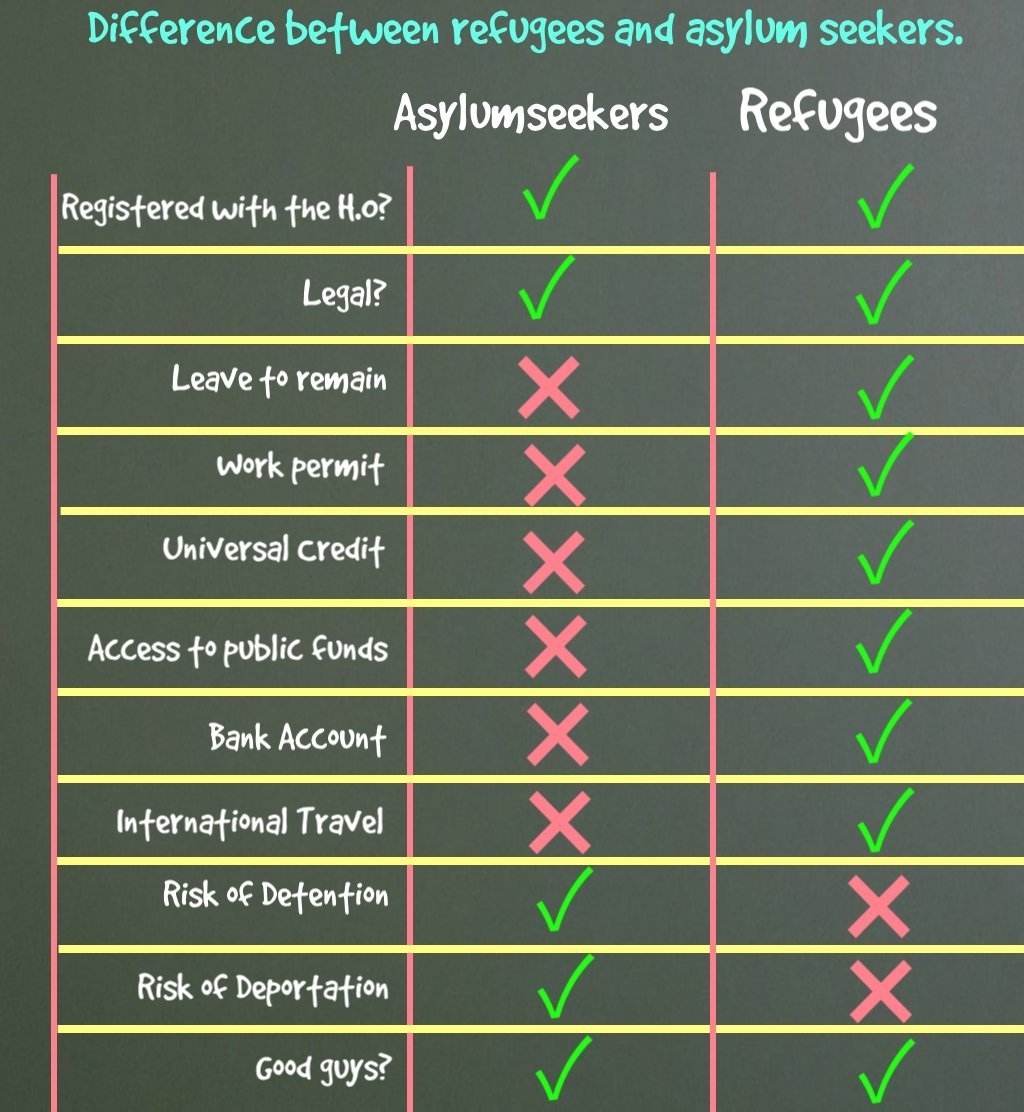
- Asylum vs. Refugee: While often used interchangeably, a "refugee" is typically someone recognized outside their home country, often by UNHCR, while an "asylum seeker" has applied for protection within another country's borders and is awaiting a decision.
- International Law: The 1951 Refugee Convention and its 1967 Protocol form the bedrock of international refugee law, defining who a refugee is and their rights.
- The Stakes are High: These claims are about life-or-death protection, not economic migration. They involve individuals fleeing grave harm.
- Complex Process: Filing a claim involves extensive documentation, interviews, and legal criteria that must be met. It's not a simple application form.
- Global Challenge: An unprecedented number of people are displaced worldwide, straining existing systems and contributing to significant delays.
- Your Rights Matter: Even while awaiting a decision, asylum seekers often have certain rights to basic necessities and legal counsel.
Seeking Sanctuary: What Exactly Are Asylum & Refugee Claims?
At its heart, an asylum or refugee claim is a plea for safety. It's an application for international protection made by individuals who fear persecution in their home country. This fear isn't just general danger; it must be a well-founded fear of persecution based on specific grounds: race, religion, nationality, membership of a particular social group, or political opinion.
The distinction between a "refugee" and an "asylum seeker" is primarily one of status. Someone is generally considered a refugee once their claim has been formally recognized and they have been granted protection, either by a state or by the United Nations High Commissioner for Refugees (UNHCR). An asylum seeker, conversely, is an individual who has crossed an international border, applied for asylum in another country, and is awaiting a decision on their claim. They are essentially a suppliant asking for protection and haven. Until a decision is made, they remain an asylum seeker.
This foundational understanding is crucial because the rights and obligations, as well as the support structures available, can differ based on whether an individual is an asylum seeker or a recognized refugee. Many countries, including transit countries like Indonesia, don't have a national asylum system. In such cases, UNHCR often plays a primary role in conducting refugee status determination (RSD) for those on their territory, as noted by organizations assisting asylum seekers in the region.
The Surge in Delays: Why Protection Takes Longer Than Ever
The very title of this guide highlights a critical and distressing trend: increased delays and backlogs in processing asylum and refugee claims. This isn't just an administrative hiccup; it has profound human consequences, leaving vulnerable individuals in prolonged limbo. Several factors contribute to this growing bottleneck:
- Unprecedented Global Displacement: The sheer number of people forced to flee their homes has reached historic levels. Conflicts, political instability, and human rights crises across the globe mean more individuals are seeking protection than ever before.
- Resource Strain: Asylum systems in many countries, even those with well-established frameworks, are simply overwhelmed. Immigration departments, judicial bodies, and support services struggle to keep pace with the volume of applications, often operating with insufficient staff and funding.
- Complex Legal Frameworks: The legal assessment of an asylum claim is incredibly detailed. It requires meticulous fact-finding, credibility assessments, and analysis against international and national laws. Each case is unique, demanding significant time and expertise.
- Security Concerns: In an increasingly complex global landscape, states often implement stringent security checks, which, while necessary, add layers of processing time to each application.
- Policy Shifts and Political Will: Changes in government policy, sometimes driven by anti-immigrant sentiment, can introduce new hurdles, stricter criteria, or slower processing targets, directly impacting wait times.
- Impact of COVID-19 and Global Crises: The pandemic severely disrupted operations, leading to temporary closures, reduced staffing, and virtual processing challenges that exacerbated existing backlogs. Subsequent global events continue to add pressure.
These delays aren't just statistics; they represent years of uncertainty for individuals and families, impacting their mental health, ability to work, access education, and overall integration into society.
The Road Ahead: Navigating the Asylum Process
While the specific steps can vary significantly between countries (and even within different jurisdictions of the same country), a general framework for filing an asylum claim usually includes these stages:
1. Arriving and Expressing Intent
The first step is often to physically arrive in the country where you wish to seek asylum. Upon arrival, or as soon as practicably possible, you must express your intention to claim asylum to the relevant authorities (e.g., border officials, immigration officers, or a dedicated asylum agency). In countries without national asylum systems, this expression of intent would typically be directed to UNHCR.
2. Registration and Initial Screening
Authorities will register your claim, record basic biographical information, and often conduct an initial screening interview. This isn't the full asylum interview, but rather an opportunity for officials to confirm identity, record your grounds for seeking protection, and conduct preliminary security checks. You might be fingerprinted and photographed.
3. Formal Application Submission
You'll be required to complete and submit a detailed application form, providing comprehensive information about yourself, your family, your journey, and, most importantly, the reasons you fear returning to your home country. This is where you lay out the "well-founded fear of persecution" that is central to your claim.
4. The Asylum Interview (Merits Interview)
This is the most critical stage. You will undergo a detailed interview with an asylum officer or case worker. This interview is your opportunity to tell your story fully, providing all the facts, evidence, and personal narrative supporting your claim. You must be truthful, consistent, and provide as much detail as possible.
- Preparation is Key: Gather all supporting documents (identity papers, police reports, medical records, news articles about your situation, etc.). Prepare to answer questions about specific dates, locations, and events.
- Legal Representation: While not always mandatory, having a lawyer or accredited legal representative is highly recommended. They can help prepare you for the interview, present your case effectively, and ensure your rights are protected.
5. Decision and Notification
After the interview and a thorough review of all evidence, the asylum authority will make a decision. This decision will either grant you asylum status, offer a different form of protection (like subsidiary protection), or deny your claim. You will be notified in writing.
6. Appeals Process (If Denied)
If your claim is denied, you typically have the right to appeal the decision. This involves filing an appeal with a higher administrative body or a court, presenting arguments as to why the initial decision was incorrect. This stage can add significant time to the overall process.
The Criteria: What Makes a Strong Asylum Claim?
Asylum claims are not granted lightly. Decision-makers meticulously evaluate each case against specific legal criteria. To be granted asylum, you generally must demonstrate:
- Well-Founded Fear: This isn't just a subjective feeling. You must show an objective basis for your fear of persecution. This often involves demonstrating past persecution or a clear threat of future persecution if you return home.
- Nexus to Protected Grounds: Your fear of persecution must be directly linked to one of the five protected grounds under the 1951 Refugee Convention:
- Race: Including ethnicity, ancestry, color.
- Religion: Any religion, or lack thereof.
- Nationality: Including citizenship, or belonging to a specific ethnic or linguistic group.
- Membership in a Particular Social Group: This is often the most complex category and can include groups sharing an immutable characteristic, or a common past experience, like LGBTQ+ individuals, victims of domestic violence, or former child soldiers.
- Political Opinion: Holding or expressing political views that are not tolerated by the state or dominant groups.
- Persecution, Not Just Discrimination: The harm you fear must be severe enough to constitute "persecution." This goes beyond mere discrimination or general hardship. It can include threats to life or freedom, torture, prolonged detention, or severe restrictions on human rights.
- Inability or Unwillingness of Your Home Country to Protect You: You must show that your own government is either unable or unwilling to protect you from the feared persecution. This also means you typically cannot seek asylum if you could safely relocate to another part of your home country where you would not face persecution ("internal flight alternative").
- Credibility: Your testimony must be believable and consistent. Any inconsistencies, even minor ones, can significantly weaken your case. Providing objective evidence to corroborate your story is vital.
Common Pitfalls and How to Avoid Them
The asylum process is fraught with potential missteps. Being aware of these can significantly improve your chances:
- Lack of Specificity: Vague stories or generalized statements about fear won't suffice. Provide concrete details: dates, locations, names, and specific incidents of persecution.
- Inconsistencies: If your story changes between different interviews, or if it contradicts written statements, it can severely damage your credibility. Be truthful and consistent from the outset.
- Insufficient Evidence: While your testimony is primary, corroborating evidence strengthens your claim. This includes identity documents, medical records, police reports, news articles, letters, or witness statements.
- Missing Deadlines: Asylum processes have strict deadlines for applications, appeals, and submitting evidence. Missing these can lead to automatic denial or loss of appeal rights.
- Not Seeking Legal Counsel: Attempting to navigate the complex legal landscape alone is incredibly challenging. An experienced asylum lawyer can be invaluable in preparing your case, understanding legal nuances, and representing you.
- Failure to Disclose Criminal History: While a criminal record doesn't automatically disqualify you, withholding this information will likely lead to denial and may have other severe consequences. Be upfront and seek legal advice on how to address it.
- Providing False Information: This is a grave error. Any attempt to deceive authorities will result in immediate denial and potentially other legal repercussions.
Your Rights and Obligations as an Asylum Seeker
Even while your claim is pending, you are typically afforded certain basic rights, though these can vary by country. UNHCR, for instance, advocates for the protection of asylum seekers' rights globally.
Key Rights:
- Right to Not Be Sent Back (Non-Refoulement): This is a cornerstone principle. You generally cannot be returned to a country where your life or freedom would be threatened on account of one of the protected grounds.
- Right to Due Process: You have the right to a fair hearing, to present your case, and to appeal a negative decision.
- Right to Legal Assistance: While not always free, you generally have the right to seek and obtain legal counsel.
- Access to Basic Needs: Depending on the country, this may include access to shelter, food, basic healthcare, and potentially education for children. Many transit countries, while not signatories to the 1951 Convention, often work with UNHCR and NGOs to provide these essential services to asylum seekers.
- Right to Information: You should be informed about the asylum process, your rights, and any decisions made regarding your claim.
Key Obligations:
- Cooperation with Authorities: You must cooperate truthfully with immigration officials and UNHCR throughout the process.
- Respect Local Laws: You are expected to abide by the laws of the host country.
- Provide True Information: All information provided must be accurate and truthful.
- Report Changes: Inform authorities of any changes to your address, contact information, or significant personal circumstances.
The Role of UNHCR and Local Organizations
For many asylum seekers, especially in countries that lack a robust national asylum system, the United Nations High Commissioner for Refugees (UNHCR) is the primary body responsible for determining refugee status and providing protection. UNHCR also works globally to advocate for the rights of refugees and asylum seekers, provides humanitarian assistance, and helps find durable solutions. Their offices around the world are often the first point of contact for individuals seeking international protection, particularly in transit or non-signatory states.
Alongside UNHCR, numerous non-governmental organizations (NGOs) and community groups play a crucial role. These organizations provide vital services such as:
- Legal Aid: Offering free or low-cost legal representation and advice.
- Humanitarian Assistance: Providing food, shelter, medical care, and clothing.
- Integration Support: Helping with language classes, job training, and cultural orientation.
- Advocacy: Lobbying governments for better policies and greater protection for asylum seekers.
Connecting with these organizations early in your journey can provide invaluable support and guidance.
Life in Limbo: Managing the Waiting Period
The prolonged processing times mean that many asylum seekers face years of uncertainty, often living in precarious conditions. This period, sometimes referred to as "limbo," presents unique challenges:
- Mental Health: The stress of uncertainty, past trauma, and the challenges of integration can severely impact mental well-being. Access to mental health support is critical.
- Work and Education: Restrictions on the right to work and attend formal education are common, leading to financial hardship and a sense of stagnation. Advocacy groups continually push for greater access to these fundamental rights.
- Community and Integration: While waiting, finding community and building social networks can combat isolation. Engaging with local NGOs, cultural groups, and volunteer opportunities can help foster a sense of belonging.
- Family Separation: Many asylum seekers arrive alone, having left family behind. The waiting period often includes intense anxiety about loved ones and the difficult process of family reunification.
Managing expectations and focusing on what can be controlled—such as learning the local language, seeking support, and staying informed—becomes paramount.
Answering Your Urgent Questions: FAQs on Asylum & Refugee Claims
Navigating this complex field naturally brings up many questions. Here are some common ones, answered directly:
Q: Can I choose where I claim asylum?
A: Generally, you must be physically present in the country where you wish to claim asylum. You cannot typically apply from your home country. While you might have a preference, the initial claim is usually made in the first safe country you reach.
Q: What if I don't have identification documents?
A: It's common for asylum seekers to arrive without identification, often because they fled quickly or had documents confiscated. You should explain why you don't have them. Authorities will assess your identity through other means, including interviews and potentially requesting documents from your home country's embassy (though this can be risky if you fear persecution from your government). Your credibility in explaining this will be key.
Q: Can I work while my asylum claim is pending?
A: This varies significantly by country. Some countries grant work permits after a certain waiting period (e.g., six months), while others restrict work access entirely. It's crucial to understand the specific laws of the country where you are seeking asylum. Working illegally can jeopardize your claim.
Q: What happens if my asylum claim is denied?
A: If your claim is denied, you typically have the right to appeal the decision. If all appeals are exhausted and unsuccessful, you may face deportation back to your home country, unless another form of humanitarian protection is granted. It's vital to have legal counsel throughout this process.
Q: How long does the process take?
A: As highlighted, processing times are lengthy and vary wildly. It can range from a few months to several years, depending on the country, the complexity of your case, and the current backlog. Global averages often stretch into multiple years.
Q: Is there an age limit for claiming asylum?
A: No, there is no upper age limit. Children can also claim asylum, often with specific protections and considerations given their vulnerability.
Beyond the Decision: What Comes Next?
Whether your asylum claim is granted or denied, the decision marks a new chapter, not the end of the journey.
If Asylum is Granted:
You will be recognized as a refugee or granted asylum status, affording you legal protection in the host country. This typically includes:
- Right to Remain: Legal residency and protection from deportation.
- Access to Services: Rights to work, education, healthcare, and social welfare similar to citizens or long-term residents.
- Travel Documents: The ability to obtain a refugee travel document, allowing you to travel internationally (though not usually back to your country of origin).
- Family Reunification: The possibility of applying for family members to join you, though this process can also be complex and lengthy.
The focus shifts to integration: learning the language, finding employment, securing stable housing, and building a new life.
If Asylum is Denied (and Appeals Exhausted):
This is a devastating outcome. Without legal status, you may face:
- Deportation: The host country may initiate proceedings to return you to your country of origin.
- Statelessness or Undocumented Status: If return is impossible or unsafe, you may remain in the host country without legal status, living in fear and without access to basic rights.
- Further Legal Avenues: In some cases, there might be other forms of humanitarian protection or avenues to pursue, but these are often limited.
It is absolutely critical to seek immediate legal advice if your claim is denied to understand all your options and rights.
Taking Action: Preparing Your Best Case
The journey of an asylum seeker is undeniably challenging, marked by trauma, uncertainty, and bureaucratic hurdles. However, you are not without agency. By understanding the process, your rights, and the criteria for a successful claim, you can significantly strengthen your position.
Here's how to empower yourself and prepare your best possible case:
- Seek Legal Counsel Immediately: This is the single most important step. An experienced asylum lawyer or accredited legal aid organization can guide you through every stage, help you gather evidence, prepare for interviews, and represent your interests.
- Document Everything: Keep meticulous records of everything: your journey, incidents of persecution, official documents, communications with authorities, and any medical or psychological reports.
- Be Truthful and Consistent: Your credibility is paramount. Tell your story accurately and consistently from the first moment you interact with authorities.
- Educate Yourself: Understand the specific asylum laws and procedures of the country where you are seeking protection. Knowledge is power.
- Build a Support Network: Connect with local refugee support organizations, community groups, and other asylum seekers. This network can provide emotional support, practical advice, and vital resources.
- Focus on Self-Care: The process is long and stressful. Prioritize your mental and physical health. Seek professional support if you are struggling.
The path through Asylum & Refugee Claims may be long and arduous, especially with current delays and backlogs, but with preparation, informed action, and the right support, the possibility of finding safety and rebuilding a life remains a powerful, tangible hope.